About Jeans Inches
denim-love
Denim in everyday life
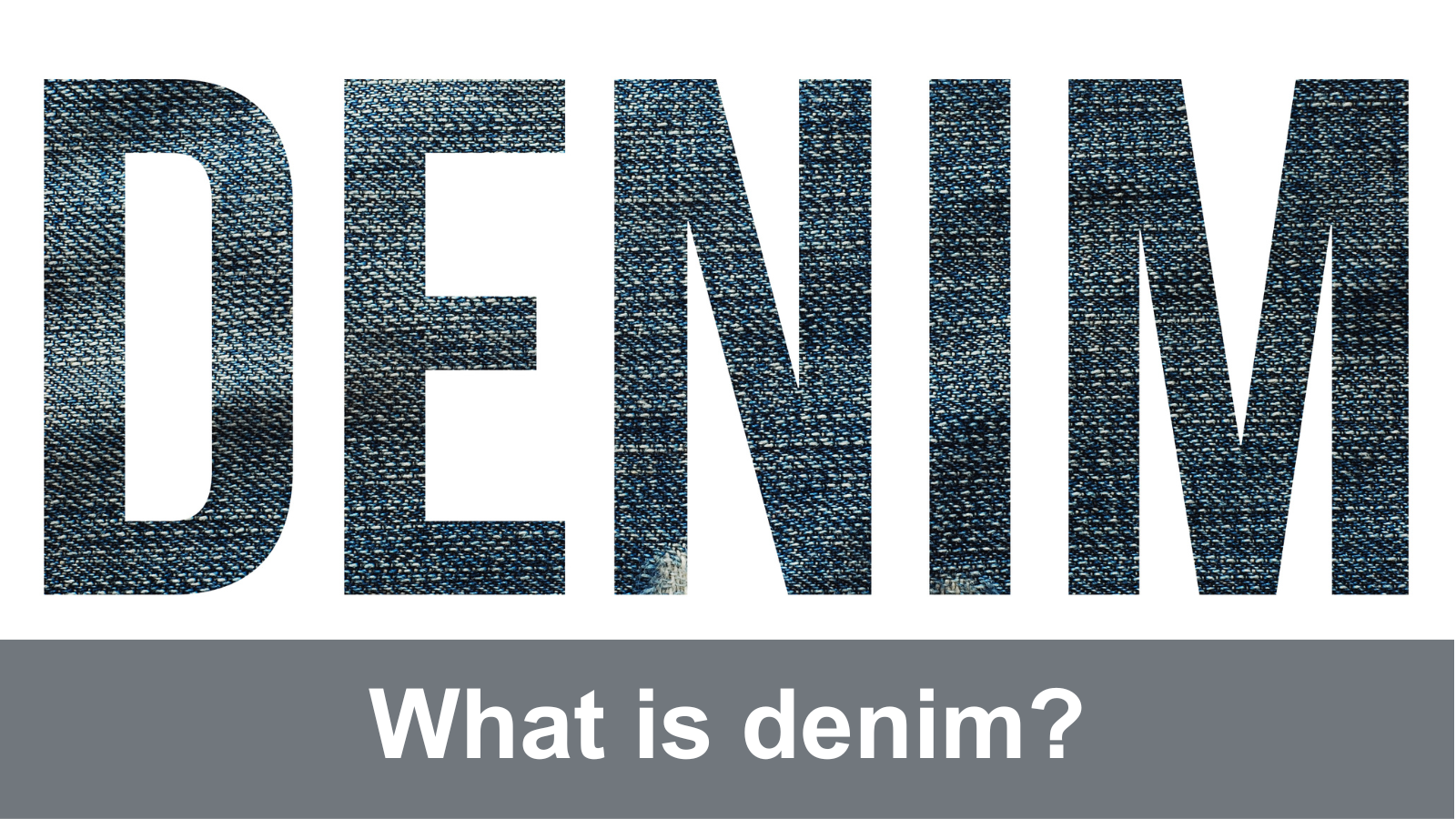
Denim is a type of thick cotton woven fabric.
Denim (denim fabric) is a thick cotton woven fabric made by dyeing warp threads of 10 count or higher with indigo and weaving them in a twill weave with undyed weft threads (unprocessed yarn).
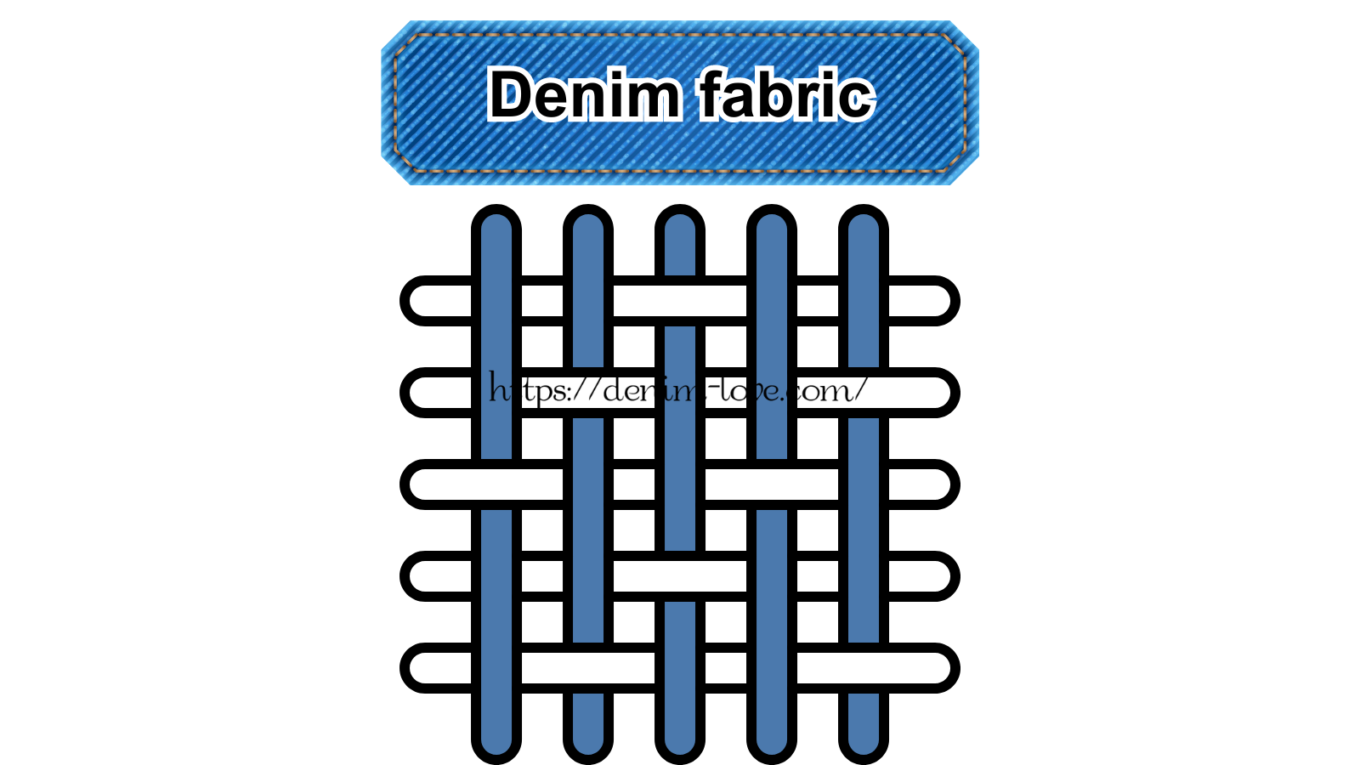
Figure 1 shows a close-up of denim fabric.
The warp threads of 10 count or higher are dyed with indigo, while the weft threads are made of unbleached yarn (unprocessed yarn) and woven in a twill weave.
The warp threads are dyed indigo, so the woven denim fabric has color.
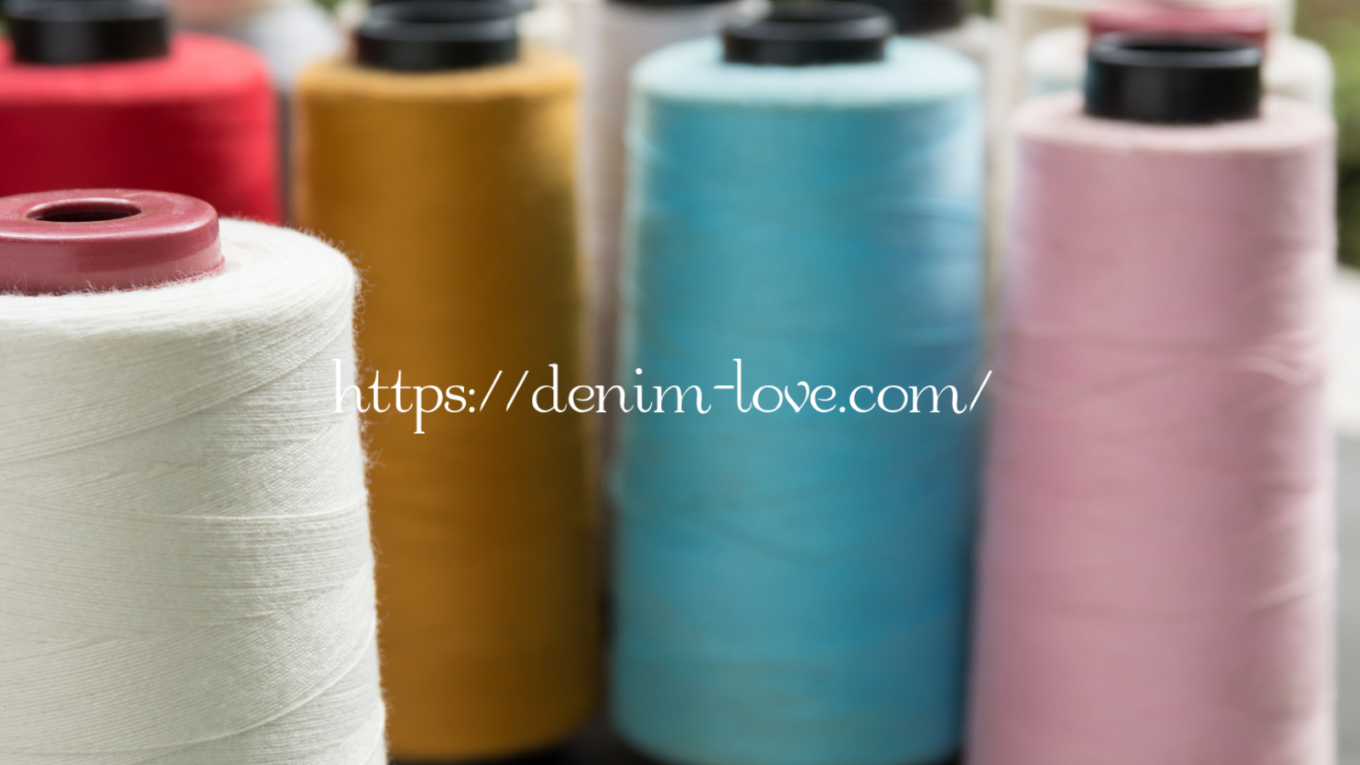
Yarn count is a unit used to indicate the thickness of yarn.
The yarn count number varies depending on the material, indicating the thickness of the thread. Even with the same yarn count number, the thickness differs between wool, cotton, and linen.
For example, hemp with the same thickness as cotton yarn count “10” is “1488.2”.
| Material Name | Yarn count |
|---|---|
| Cotton count | 10.0 |
| Hemp yarn count | 1488.2 |
| Yarn count | 17.0 |
Cotton count “10,” linen count “1488.2,” and wool count “17” are all threads of the same thickness.
Be careful, as the gauge number differs for each material even if the thickness is the same.
Since most denim is made of cotton, when you see yarn count mentioned in denim, you can think of it as cotton yarn count.
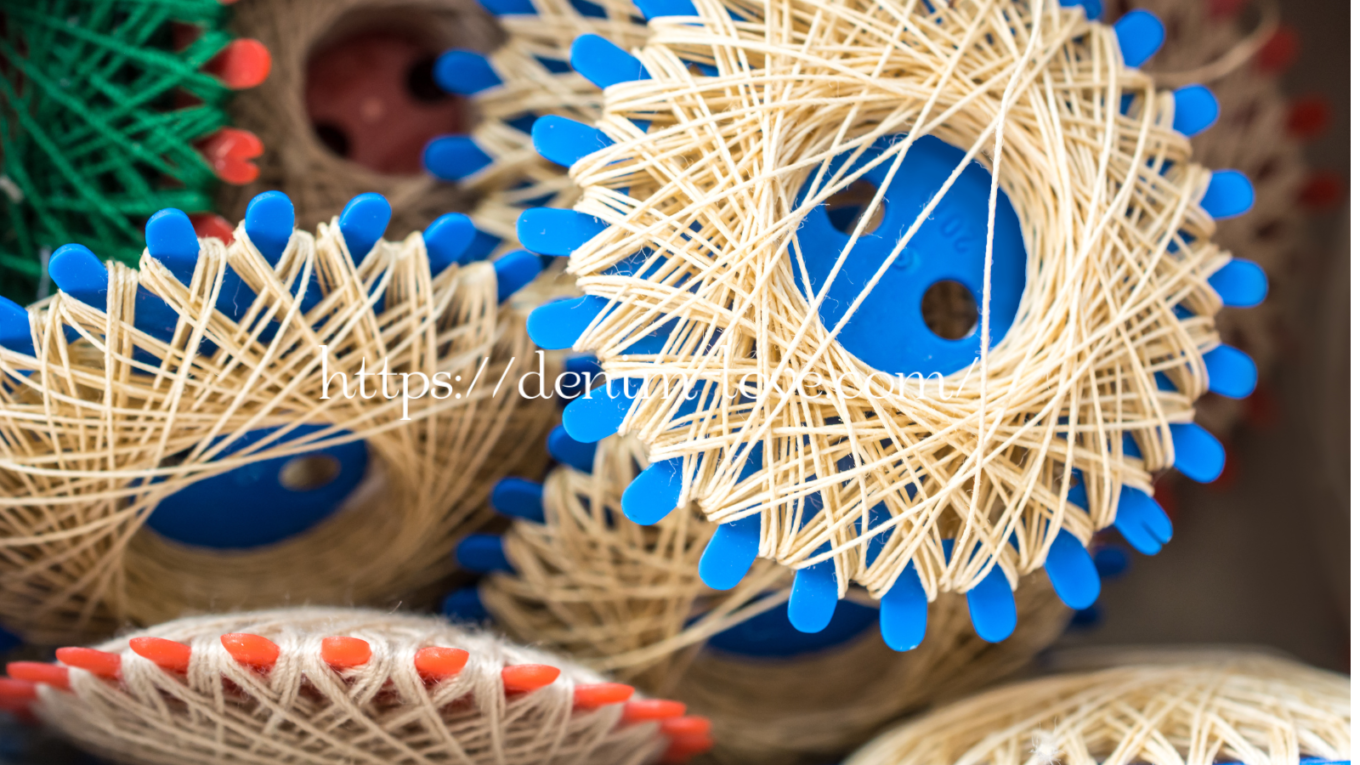
Even for the same thickness, the thread count number varies by material, but there are also common points.
The thickest yarn is always the first count. As the count number increases, the yarn becomes finer.
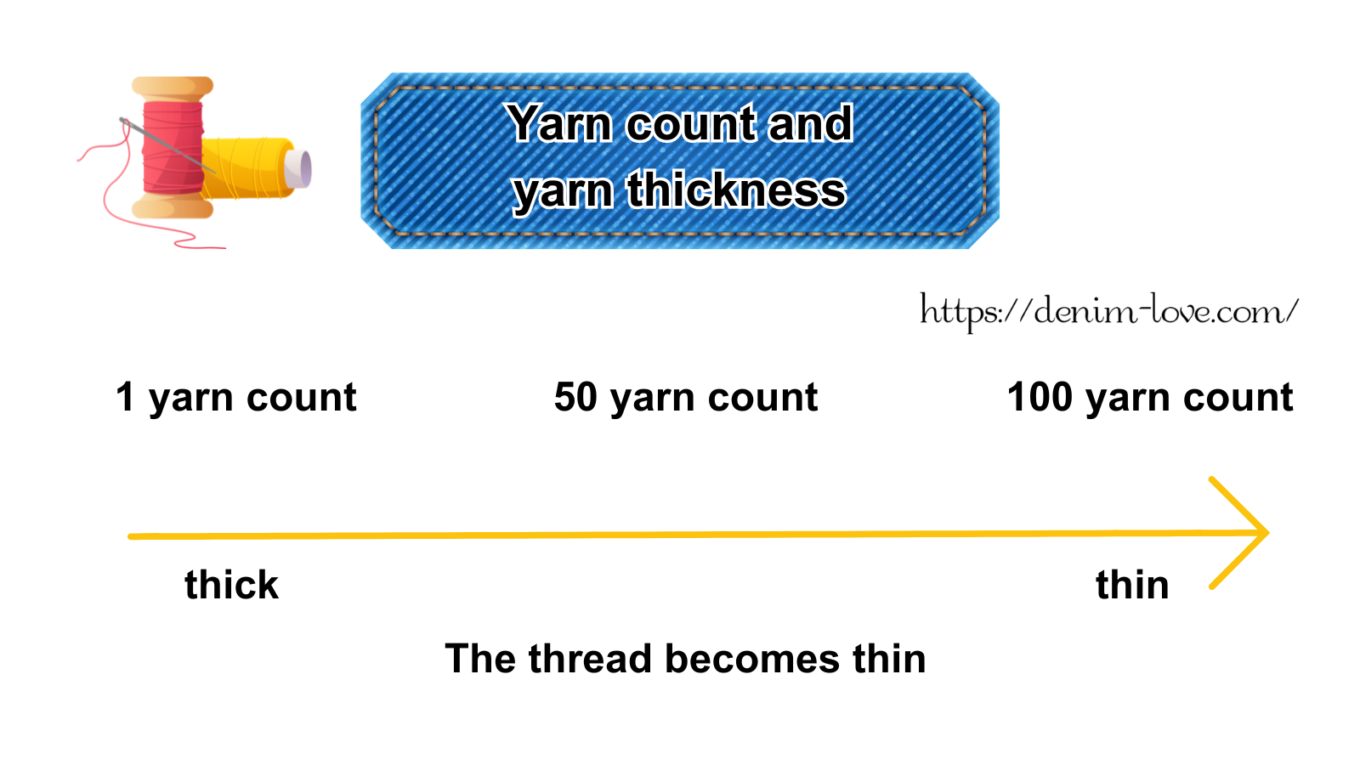
The thickest yarn is designated as No. 1, and the yarn becomes finer as the number increases.
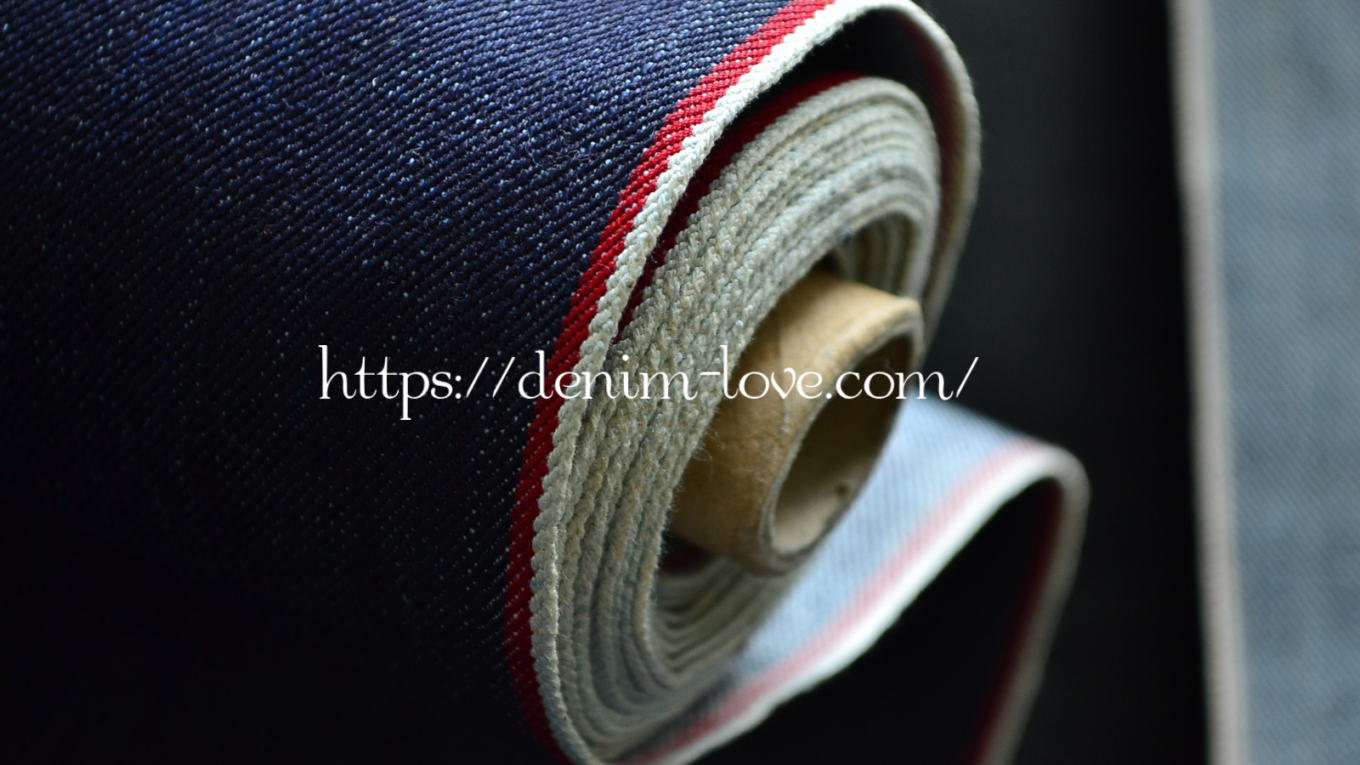
The yarn count is explained as follows: the thickest yarn is number 1, and the yarn becomes finer as the yarn count number increases. The texture of the fabric also changes depending on the yarn count number.
The higher the yarn count number, the finer the yarn becomes. The finer the yarn, the smoother it feels and the better its texture becomes.
Yarns with higher numbers are called fine yarns (high-count yarns). The phrase “good yarn count” implies high-quality fabric.
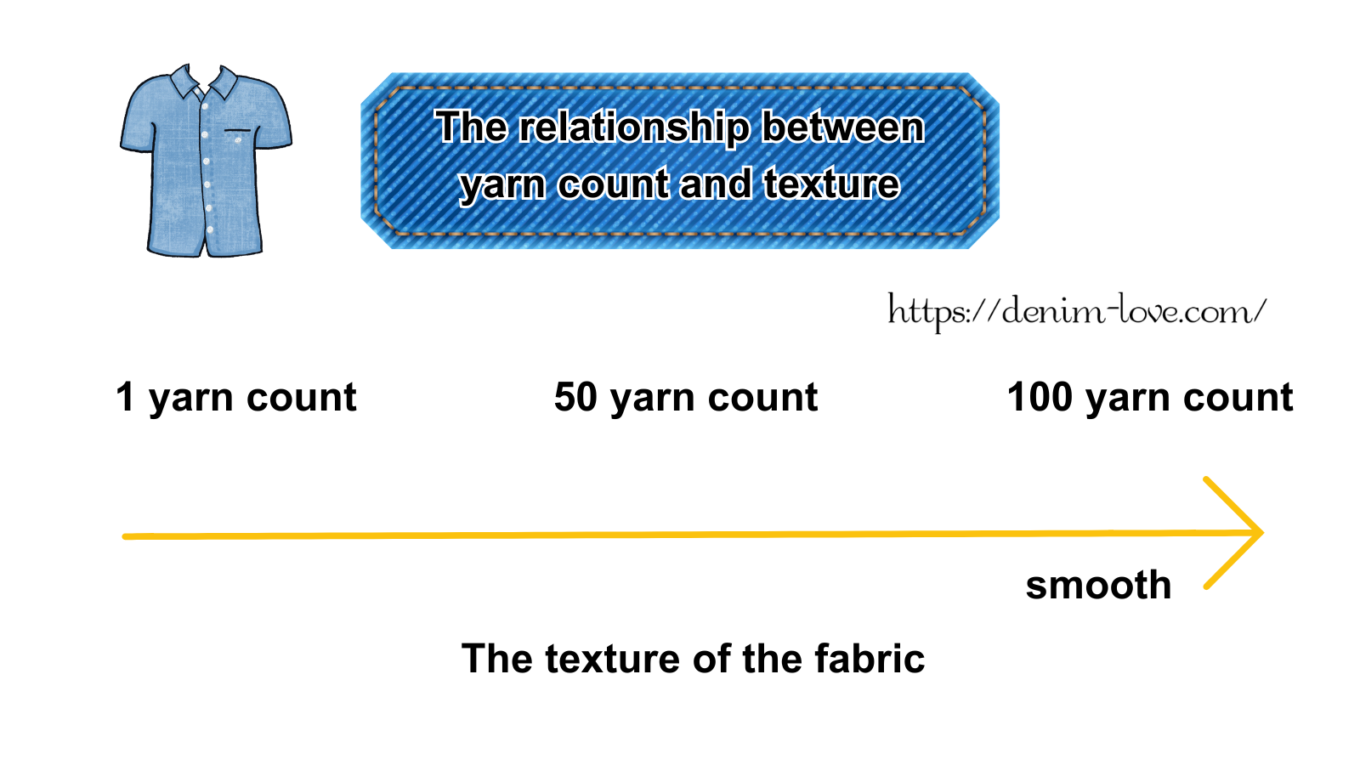
The higher the yarn count number, the better the fabric texture and the higher the price. Fine yarn counts (high counts) offer superior texture but are also delicate and prone to wrinkling.
When the yarn count becomes too high, the fabric can be delicate and prone to wrinkling, making it unsuitable for everyday wear.
Most everyday dress shirts are made from cotton yarn with a count of “80.”
| Yarn count | Price | Wrinkle | Fabric Characteristics | Fabric texture |
|---|---|---|---|---|
| Heavy gauge (Low-numbered) | The price is low. | Resistant to wrinkling | Thick and durable | Sturdy feel |
| Fine count (High count) | The price is high. | Prone to wrinkling | Thin and delicate | Soft to the touch and comfortable to wear |
Denim fabric is often woven with yarns of 10 count or higher. However, when describing product characteristics, we express the yarn weight by its actual weight rather than its count.
Denim prioritizes weight over thread thickness. This is why denim pants product descriptions list ‘◎◎ ounces (oz)’.
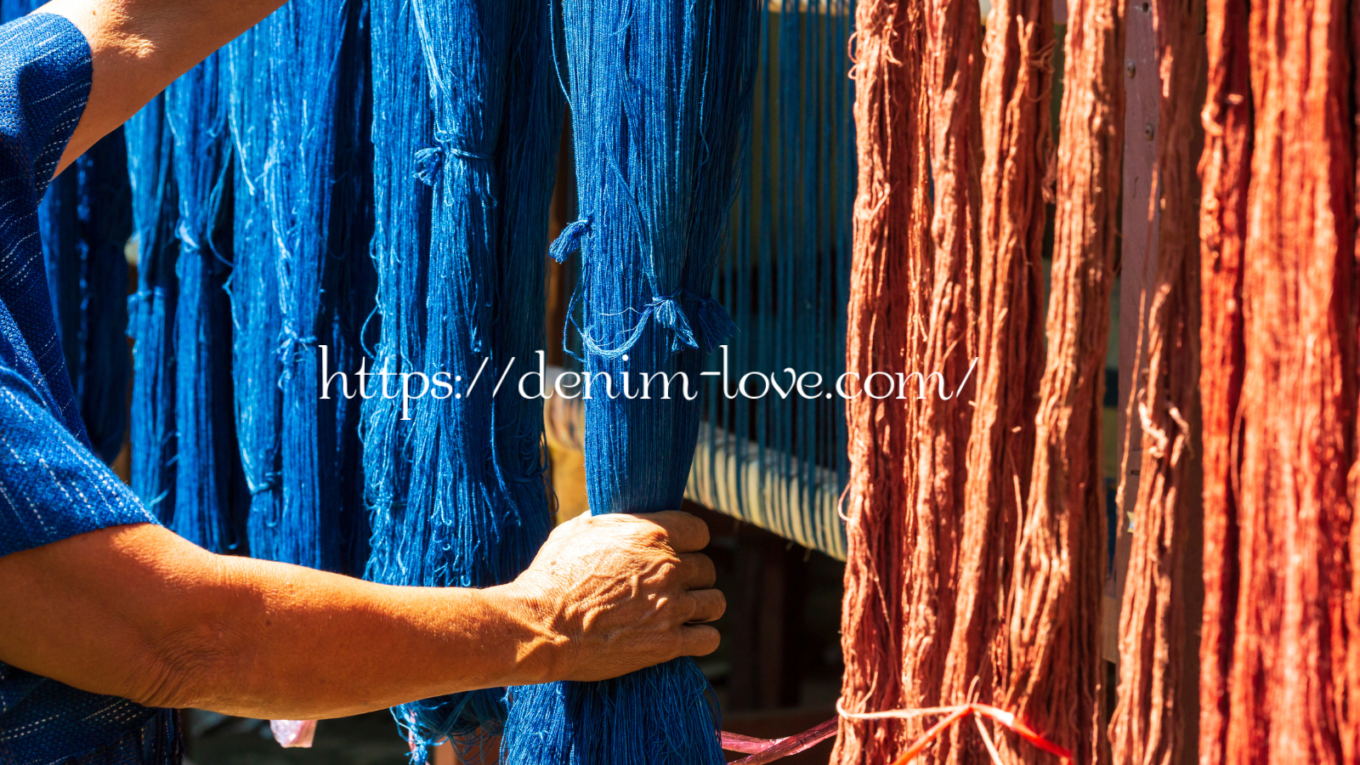
Denim fabric is made from yarn dyed with indigo.
Indigo is a blue dye. Initially, natural dyes were used to produce the color.
Items dyed with natural dyes are called “Aizome.”
The use of Aizome in denim stems from these two characteristics.
The characteristic of “Aizome” dye being susceptible to friction and prone to fading in water gave denim its unique coloration.
Natural dye “Aizome” was expensive and difficult to dye with, so chemical dye “Indigo dyeing” gradually became the mainstream.
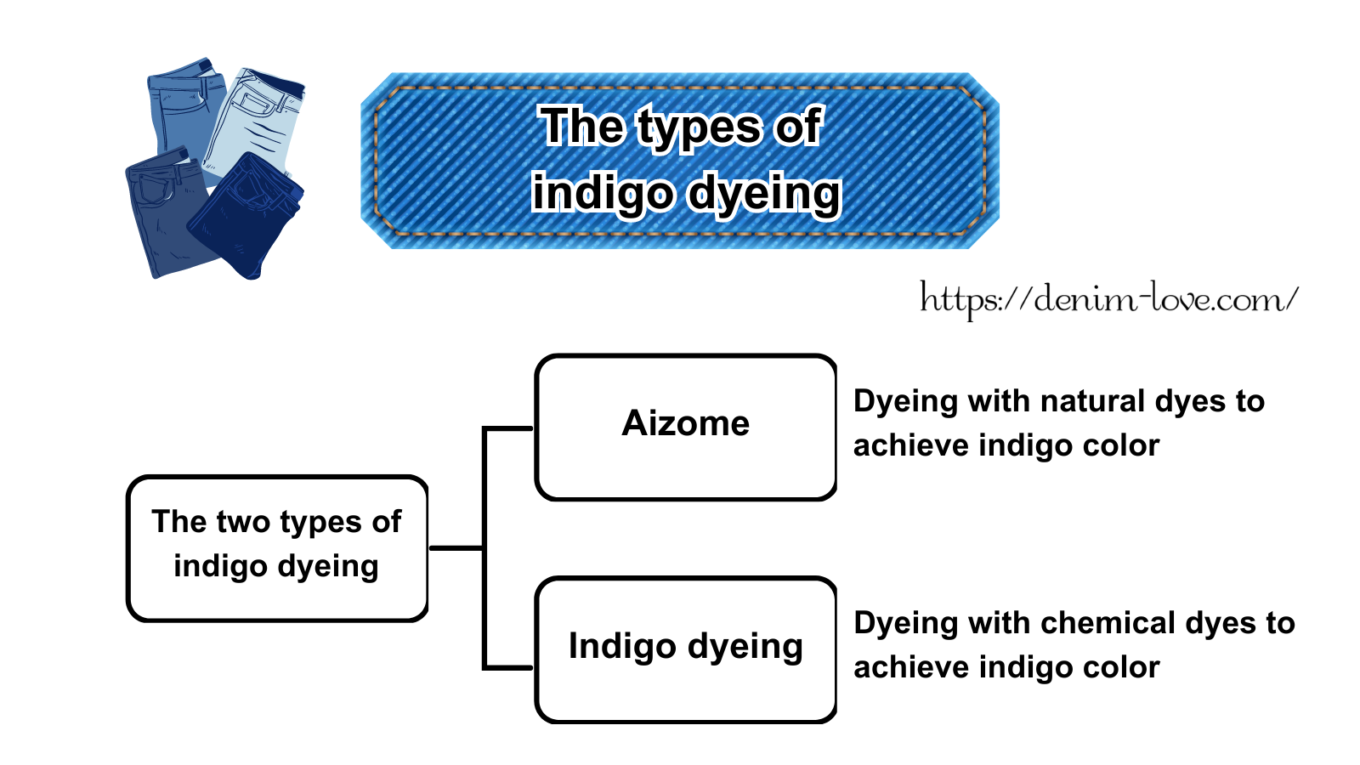
Indigo is a blue dye, and there are two types of indigo dyeing.
“Aizome” and “Indigo Dyeing.”
| Type | Features |
|---|---|
| Aizome | Indigo dyeing with natural dyes |
| Indigo Dyeing | Indigo dyeing with chemical dyes |
Initially, denim was made using “Aizome”-dyed yarn. Now, “indigo-dyed” yarn, which is more affordable, has become the standard.
Chemically dyed “indigo dyeing” possesses characteristics not found in naturally dyed “Aizome.”
Chemical dyes contain few impurities, enabling them to produce a pure, deep indigo blue. This color is called pure indigo.
| Type | Types of Dyes | Ingredients | Raw Materials (Photographic) | Features | Price |
|---|---|---|---|---|---|
| Aizome | natural dyes | Indigo plant (Polygonum tinctorium) (a plant of the Polygonaceae family, containing components in its leaves and stems) | 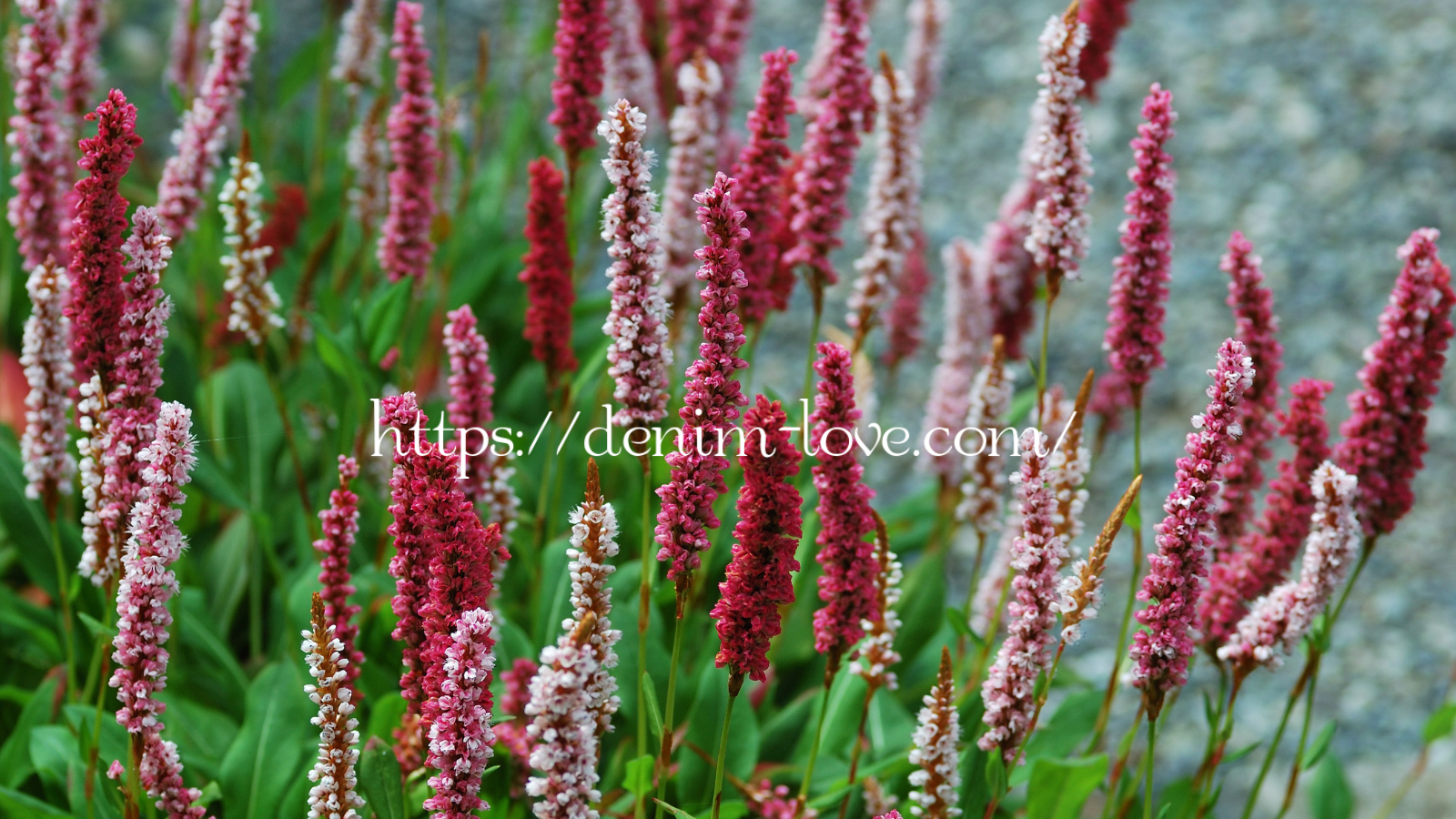 | A very deep, rich color Retains its color well even after many years | expensive |
| Indigo Dyeing | chemical dye | Indigo, a chemically synthesized blue crystalline solid | 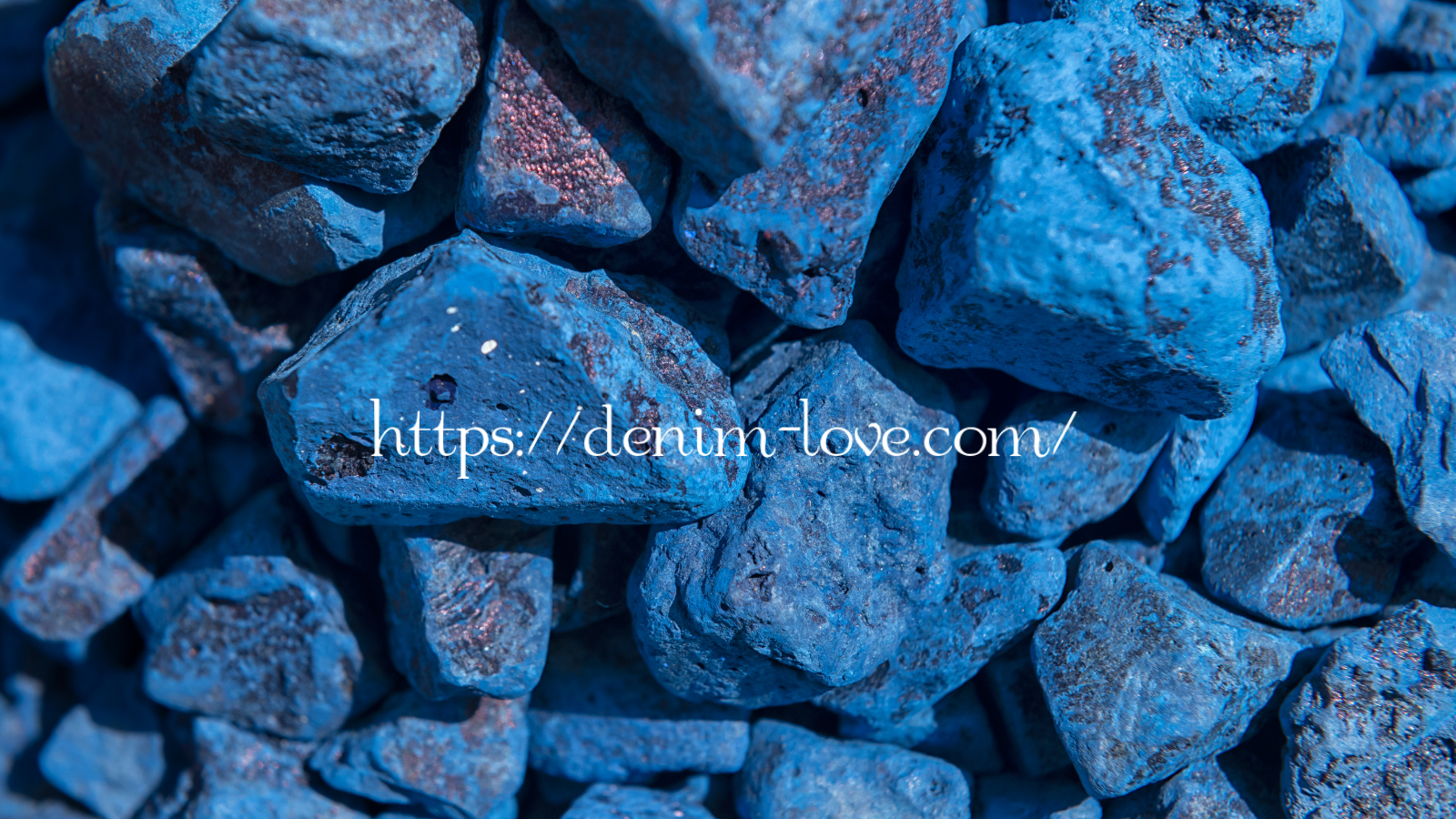 | High-purity, deep indigo blue Stable quality enables mass production | inexpensive |
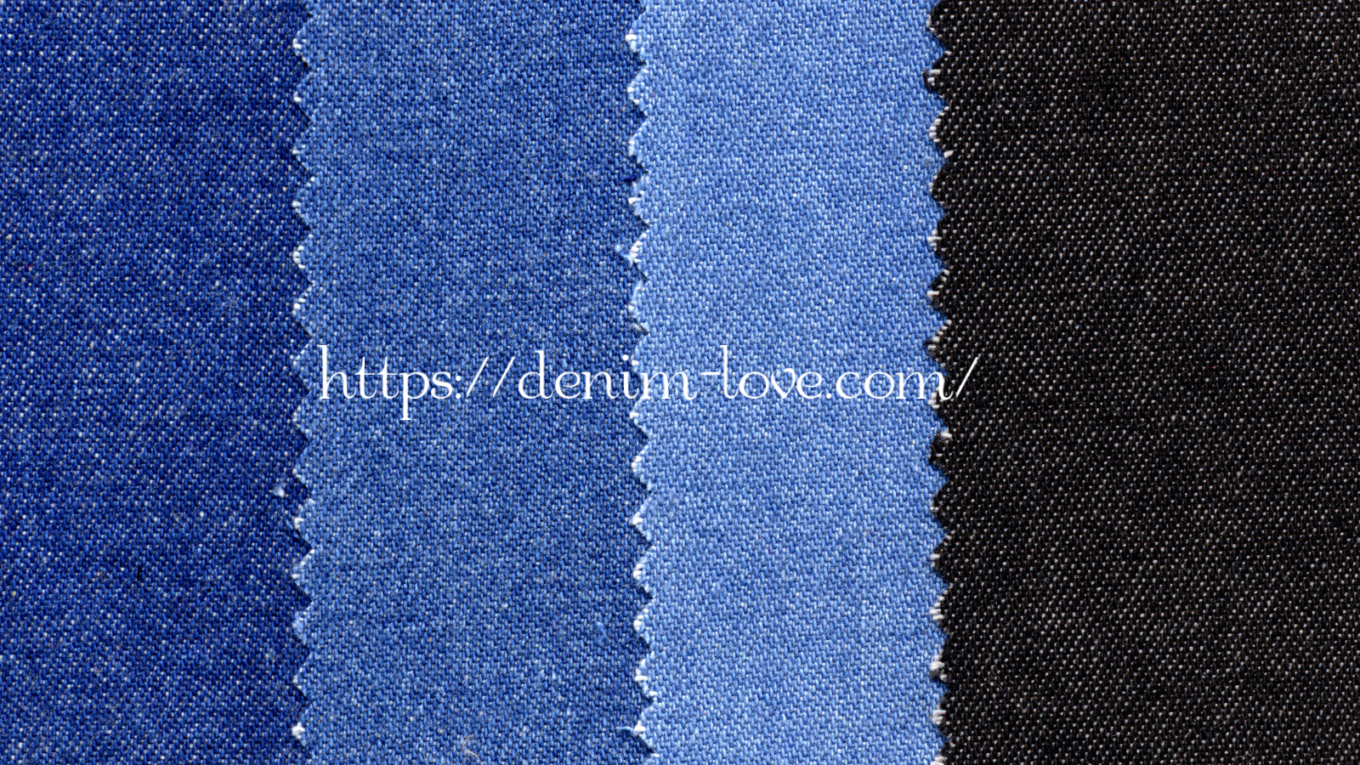
Threads are woven to create fabric. Weaving techniques include plain weave and satin weave.
Denim is made using twill weave, one of several weaving techniques. Twill weave is also known as diagonal weave. This site refers to it as twill weave.
Twill weave is created by passing the warp thread over two or three weft threads, then under one weft thread, repeating this pattern.
Denim fabric is a twill-woven material with warp threads dyed indigo.
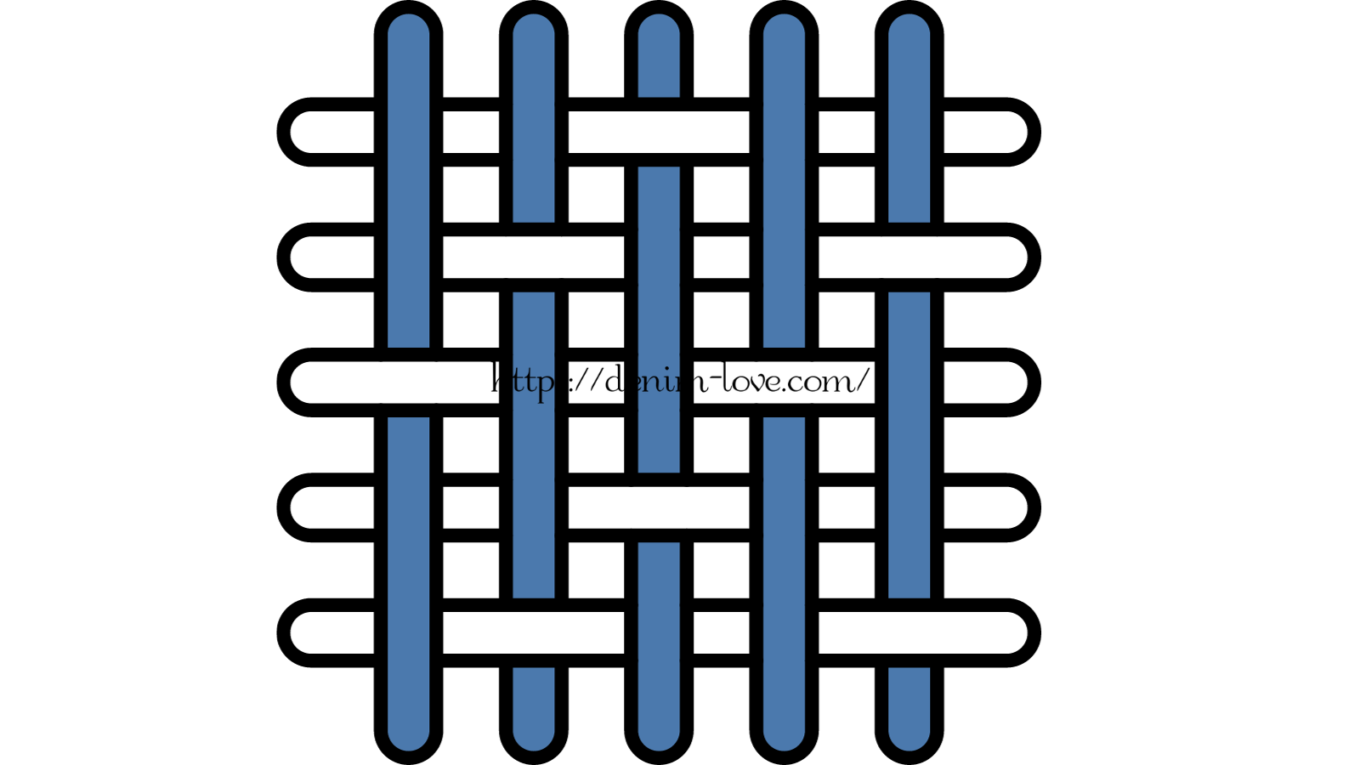
The illustration above shows a close-up of denim fabric. The warp threads are indigo, and the weft threads are white.
The photo below shows a close-up of denim fabric.
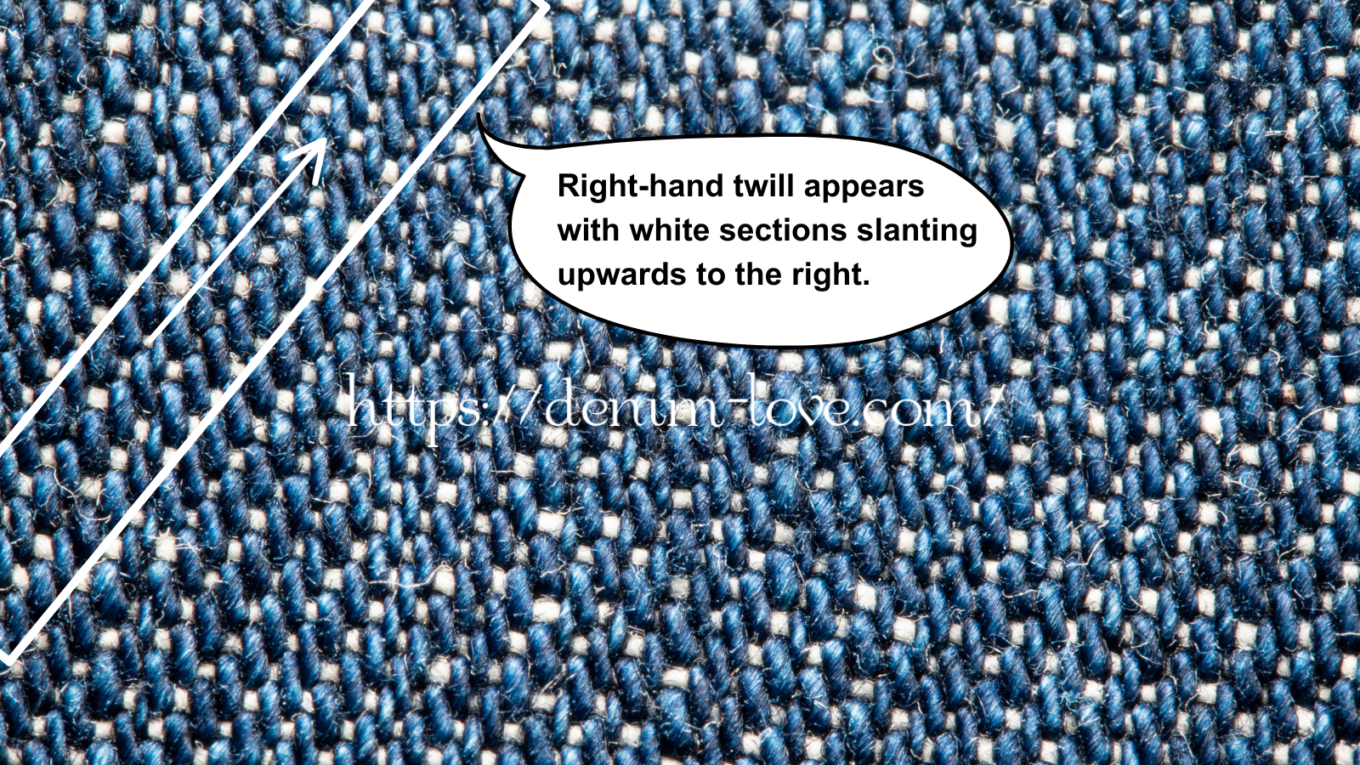
When viewed from a distance, the white areas appear to slope upward to the right. This is right-twill denim fabric.
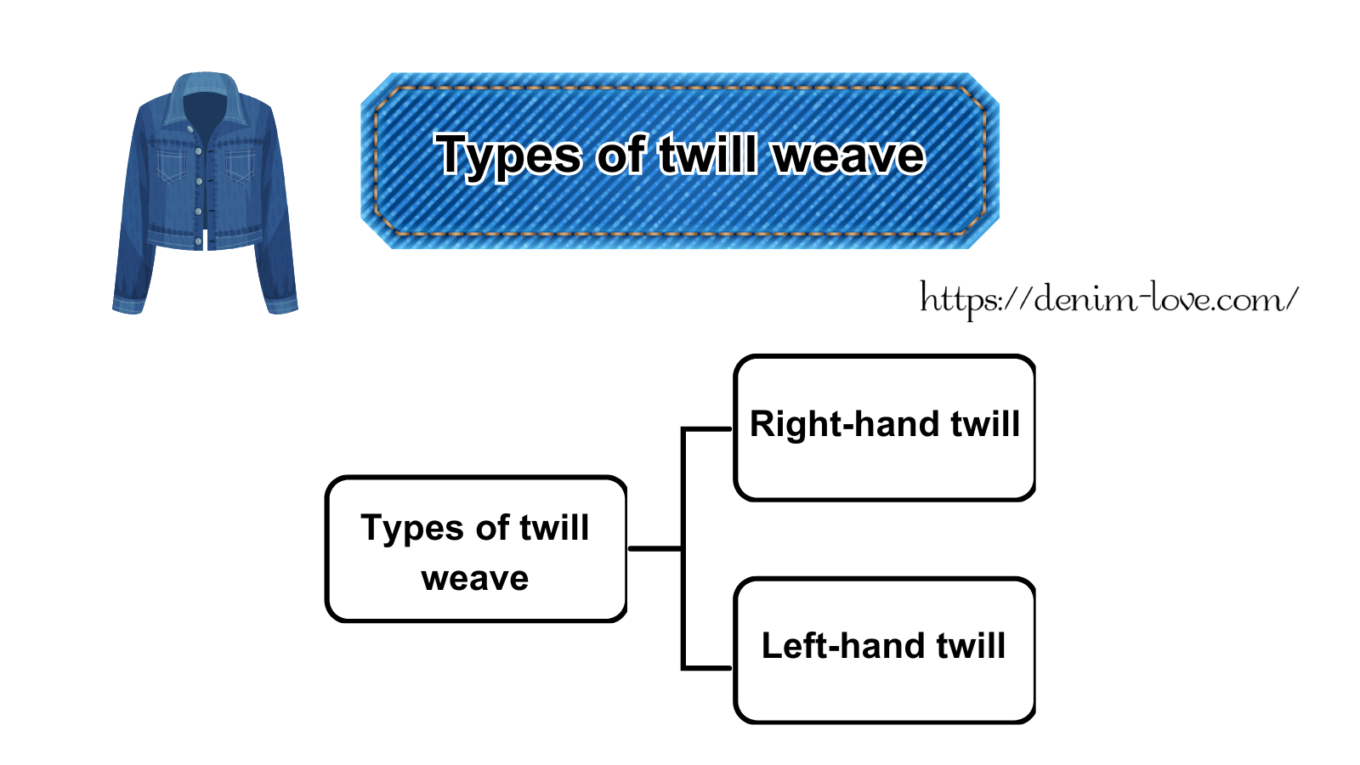
Denim fabric is generally made with a right-hand twill weave.
| Types of twill weave | Fabric texture | Fabric Characteristics | Color fading |
|---|---|---|---|
| Right-hand twill | Coarse fabric texture | The fabric is easy to work with. | Color fading known as “dot fading” |
| Left twill | Luster and softness | The fabric is difficult to work with. | Color fading known as ‘line fading’ |